INICIO

domingo, 22 de marzo de 2015

SKI INJURIES: PREVENTION


IF YOUR PRACTICE SKIING, YOU ARE INTERESTED IN THIS NEW POS

Hello again everyone. In this second post, we will focus on a sport that is also practiced in the mountains. We're talking about ski !!
In this new post, let's do a review of the most common injuries in skiing: why they occur and how to prevent.


If the technique is known and are cautious with security measures on track, skiing is a very safe sport. However, AS sport is a risk of injury WHEN we are skiing. A good physical condition and have learned the correct technique will minimize the risk of injury.


Major ski injuries


  • 37% knee injuries
  • 12% shoulder injuries
  • 11% trunk lesions
  • 11% of hip and pelvis injuries  
  • 7%  fingers injuries
  • 6% of head and face injuries
  • 3% wrist injuries
  • 13% other injuries

INJURY CLASSIFICATION 


The graph below shows the type of injuries seen amongst alpine skiers.


The rate of serious knee sprains (in particular anterior cruciate ligament - ACL - sprains) initially jumped by some 240% (from the 1970's to the early 1990's), then remained static for about ten seasons with an ACL injury incidence rate in MDBI of about 2200. Since about the year 2000, the ACL injury rate has begun to decline.


What part of the body has the highest rate of injury?

Analyzing by anatomical areas, most ski injuries occur in the knee, followed by shoulder, hip and trunk. Considering that the game of hip knee will be very important, are joints to keep in mind. A good warm at the start of the ski day, will be the first method that will apply to prevent injuries.


INJURY PREVENTION OF HIP AND KNEE


The rupture or ligament sprain with meniscal injuries are usually the most common in skiing. The first means of prevention for these injuries is to have a strong lower body musculature. There is more risk of injury in people with little strength in his legs. And, as we said before, a good warm imperative, focusing on the knee area.

The correct technique when skiing is also very important because we will be able to apply force without excess to make the turns and movements.


With hip injuries happen something, usually caused by a weakness in the muscles of the area along with poor technique that forces us to do pushups and unusual twists that ultimately exceed the limits of the joints

PHYSICAL EXERCISE: PREVENTION

While undoubtedly the muscles of the knee will play a decisive role, we should not focus exclusively on it. Here, we develop a good capacity and muscle control in all the muscles surrounding the lumbar-pelvic complex.


1. The purpose of these exercises is to control the most of our lumbo-pelvic area while movement occurs in the extremities. It is noted that a hand is placed in the lumbar area to have "feedback" in real time.
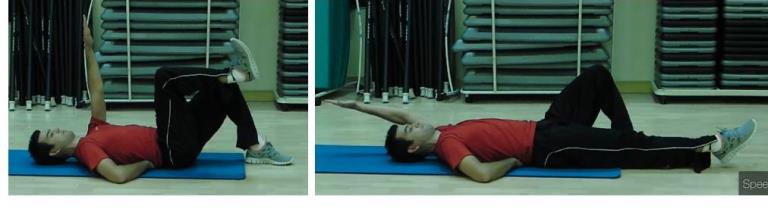
imagen 1
imagen 2


2. The goal is not to rotate the trunk, but being able to maintain the position of the column while pulling the pulley with arms. The different positions of legs generate different demands on the muscles of the hip.
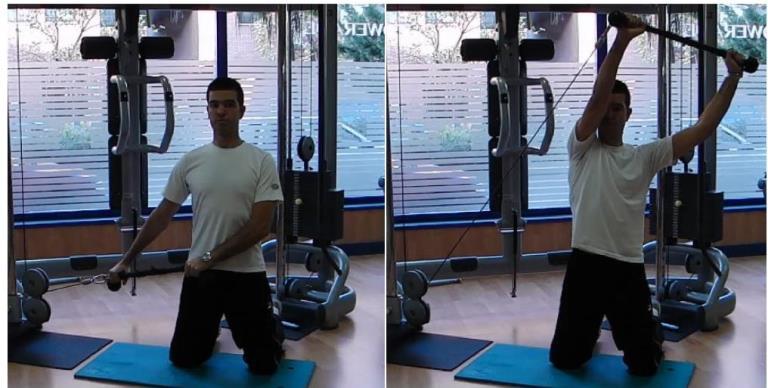
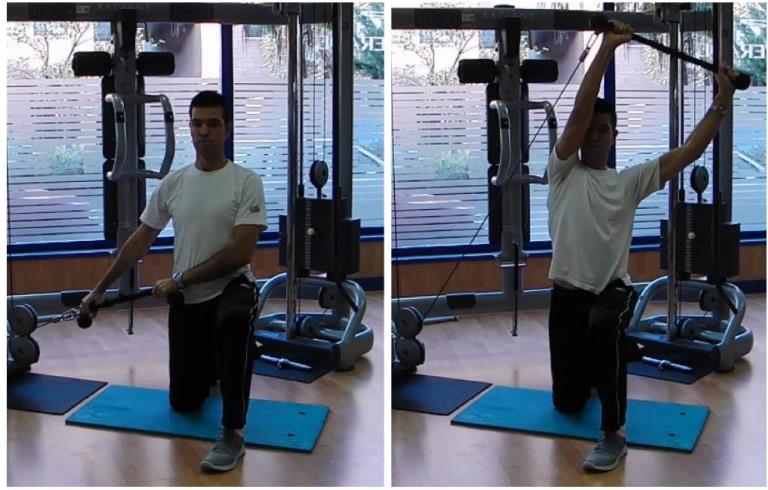
imagen 4


imagen 5

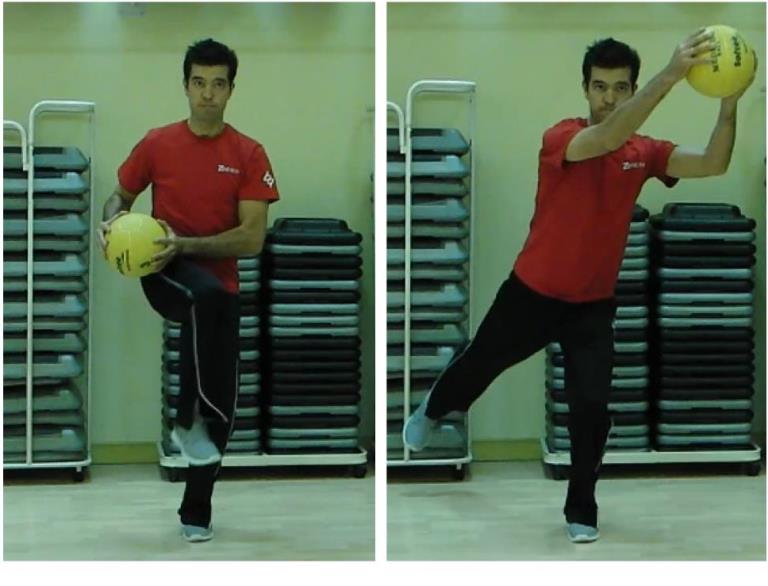
3. Then control exercises the muscles of the hip on the floor acquired more vertical positions that more closely resemble ski claims. The work can be done with medicine ball or unstable platform.

Medicine ball:

imagen 8
Unstable platform:


CONCLUSIONS

A skiing injury depends on many factors, such as age, technique we use, the quality of the snow or our physical form. It is important to learn to minimize SINCE the early days these harmful factors: learning the skiing technique correctly, be wary of the area where we skied, making a good warm and good use of sports equipment.


lunes, 16 de febrero de 2015

HEALTH AND SPORT


HEALTH SPORTS AND FORECAST

Welcome to the new space dedicated to the fight against injuries !!


Resultado de imagen de health and sport


The sport as we know is healthy, but let's not forget that if we do not follow a pattern of execution can have serious consequences, and this endanger our health.

In this space we will offer information on sports and associated injuries. Also give some basic guidelines that do to avoid reaching the injury and how to prevent them. In our hands is the prevention or injury. To do this we must know the activity or sport that we are practicing well and put in the hands of professionals in physical activity.

The mentality of the athlete must be to learn is to do things right. The results are given through constant and progressive work.


First strokes. Knowing and preventing.

WHAT WE KNOW?

Athlete who intends to give a very quick jump very quickly or that he has done a poor exercise performance throughout his career, he runs the risk of serious lesiones.Un example could be the trail running.

  This and other sports will see how is very important to know that part of our body is more involved and therefore muscle work and articulate necessary.

First, to know very well that we are practicing the sport have to do two classifications, one with issues or external factors and other classification of those internal factors that sport or test us to go to prepare.

  Let's start with the example of trail running is so fashionable, and exposes the athlete to a multitude of features that should know very well, these are:


External Factors:


  1.    TERRAIN (SLOPE, VARIOUS AREAS ...)
  2.    ADVERSE WEATHER CONDITIONS AND CHANGING.
  3.    TONING OF THE JOINTS: ANKLE AND KNEE (CONSTANT AND CUSHIONING IMPACTS).
  4.    CORRECTION TECHNIQUE FOR THE HIP AND LUMBAR SUPPORT THAT NO PRESSURE decompensate AND EXERCISE.

Internal Factors

  1.   CONTINUOUS EFFORT
  2.   LONG LASTING
  3.   CURRENT VARIABLE
  4.   REPEATED AN UNKNOWN NUMBER OF TIMES
  5.   FOR INDEFINITE PERIOD OF TIME
  6.   INCOMPLETE PERIODS OF RECOVERY

Once we have classified these external factors that sport has, we move on to examine the performance factors that the athlete must develop.

Performance Factors

  •     THE MAXIMUM AEROBIC POWER AND AEROBIC CAPACITY
  •     ANAEROBIC THRESHOLD
  •     ECONOMY OF RACE
  •     MAXIMUM OXYGEN CONSUMPTION


WHAT IS WHAT MORE ON CXM WE GET INJURED?

The most common injuries that runners are in mountain or trail running are:
Patellar tendinitis.
Ankle sprain.
Shin splints.
Sartorius tendon inflammation.
Plantar fasciitis.

.......................................................................................................

LA SALUD DEL DEPORTISTA Y LA PREVISIÓN


¡¡Bienvenidos al nuevos espacio dedicado a la lucha contra las lesiones!!


El deporte como bien sabemos es sano, pero no nos olvidemos de que si no seguimos unas pautas de ejecución podemos tener serias consecuencias, y por lo tanto poner en riesgo a nuestra salud.


En este espacio vamos a ofrecer información sobre deportes y  lesiones asociadas. Además daremos unas pautas básicas de que hacer para evitar llegar a la lesión y cómo prevenirlas. En nuestras manos esta el prevenir o no una lesión. Para hacerlo debemos de conocer muy bien  la actividad o deporte que estamos practicando y ponernos en manos de profesionales de la actividad física.

La mentalidad del deportista debe de ser la de aprender ha hacer las cosas bien. De que los resultados vienen dados gracias al trabajo constante y progresivo.